
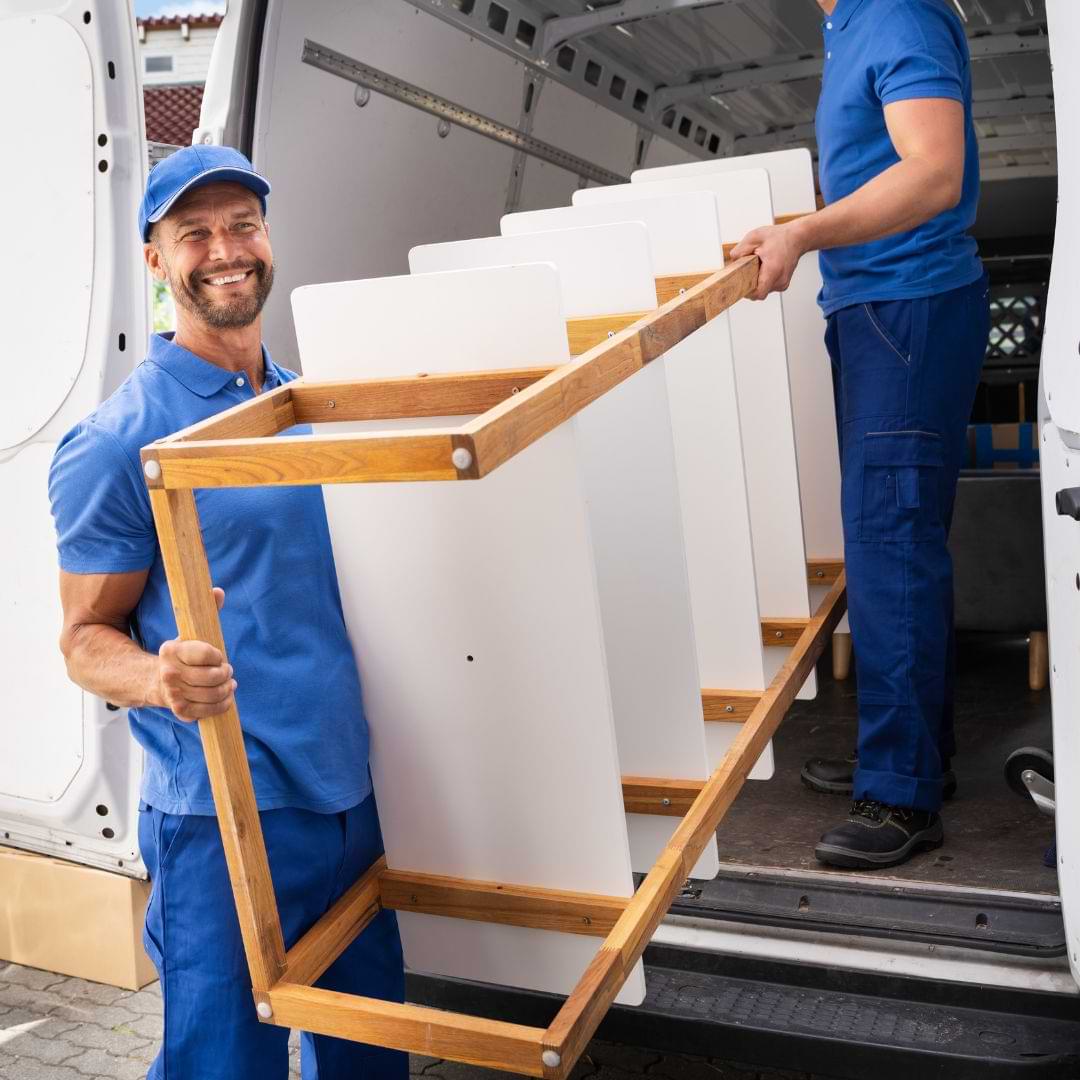
Have you ever wondered whether removals with delivery can truly be safe for your fragile items?
The answer isn’t as simple as it may seem.
While this type of transport can be an effective way to move belongings, the key is proper preparation and securing each critical element.
Proper preparation and packing of fragile items play a crucial role in minimising the risk of damage.
In this article, you will learn how to effectively protect your valuable items during a move and what packing techniques and materials can enhance the safety of transport.
Are Removals with Delivery Safe for Fragile Items?
Removals with delivery can be safe for fragile items, as long as they are properly secured.
The critical factor in the transport process is preparation and packing techniques.
Here are a few guidelines to consider:
- Choosing protective materials: Using appropriate materials such as bubble wrap, packing paper, or foam padding is essential to minimise the risk of damage. Avoid newspapers, as they can leave stains on delicate items.
- Packing items separately: Each fragile item should be packed individually. It’s advisable to use smaller boxes to avoid overloading and mixing items that could damage each other.
- Filling empty spaces: Empty spaces in boxes should be filled with material that prevents shifting. Using crumpled paper or styrofoam peanuts reduces the risk of items moving during transport.
- Labelling boxes: Every box should be clearly labelled with tags such as “Caution: Glass” or “Fragile.” This helps ensure careful handling during loading.
Applying these techniques significantly increases the safety of fragile items during a move. Proper preparation and packing are key elements that can greatly reduce the risk of damage.
What Materials and Techniques Best Protect Fragile Items During a Move?
To effectively protect fragile items during a move, it’s critical to use appropriate materials and packing techniques.
Here are the best materials for packing:
- Bubble wrap: Ideal for wrapping glass, porcelain, and other delicate items. Its cushioning structure effectively protects against shocks.
- Foam padding: Provides an extra layer of protection, especially for electronics and valuable items. It can be used as padding in boxes or to wrap individual items.
- Special boxes: Using thick, sturdy boxes prevents damage caused by the weight of other items. It’s important to choose boxes that fit the size of the items being packed.
When packing fragile items, you should follow these key techniques:
- Pack separately: Each fragile item should be packed separately to avoid scratches and breakage.
- Fill empty spaces: Boxes should be filled with cushioning materials such as styrofoam peanuts, crumpled paper, or air pillows. This ensures items stay in place during transport.
- Label boxes: Every box with fragile items should be clearly labelled, making it easier to transport them and handle them carefully. Labels such as “Fragile” or “Caution: Glass” are extremely helpful.
Using these materials and packing techniques significantly increases the safety of fragile items during transport, minimising the risk of damage.
How to Organise Transport to Minimise the Risk of Damage to Fragile Items?
A key aspect of organising a move is how fragile items are placed in the transport vehicle.
To reduce the risk of damage, a few proven practices should be followed:
- Expert handling during transport: Hiring professional movers ensures they know the rules for transporting fragile items. Their experience helps ensure safe loading and unloading.
- Strategic placement: Fragile items should be placed at the top of other boxes in the transport vehicle to avoid being crushed and damaged. Avoid placing them at the bottom where heavier items can crush them.
- Stabilizing contents: It’s crucial to fill spaces between boxes with protective materials to prevent them from shifting during transport.
- Separate transport: Consider transporting fragile items in a separate vehicle to minimise the risk of damage from other items in the load.
- Proper labelling: Marking boxes with labels such as “Fragile” informs movers that special care is required when handling them.
By taking these actions, you can significantly reduce the risk of damage to fragile items during the move. Remember, proper organisation of the move and trust in professionals is key to a successful relocation.
Choosing a Trusted Removal Company: What to Look for?
Choosing the right removal company is essential for the safe transport of fragile items.
When making your decision, be sure to consider the following factors:
- Experience: Check how long the company has been in the removal business. Companies with years of experience typically have tested procedures and are better prepared for unexpected situations.
- Customer reviews: Read online reviews about the company. Moving reviews provide insight into real experiences from other customers and how the company handles fragile items.
- Assessment of transport services: Pay attention to the quality and type of services offered by the company. Make sure they have the right equipment and vehicles for transporting fragile items.
- Insurance: Ensure the company offers insurance for the transported items. In case of damage or loss of valuable items, insurance can protect your interests.
- Cost transparency: A good company should provide a detailed estimate to avoid hidden charges. Transparency in pricing is a sign of reliability.
- Customized services: Check if the company can tailor its services to your needs. Flexibility in terms of scheduling and transport options can be crucial.
Choosing a trusted removal company is a critical step in the moving process, especially when dealing with fragile items. Proper research can save not only money but also stress.
What to Do in Case of Damage to Fragile Items During the Move?
If fragile items are damaged during the move, it’s important to take the following steps.
FAQ
Q: What materials best protect fragile items during a move?
A: The best protective materials include packing paper, bubble wrap, foam padding, and special inserts. Avoid newspapers, as they can leave stains.
Q: What are good packing techniques for fragile items?
A: Each fragile item should be packed separately, and empty spaces in boxes should be filled with paper balls or other materials to prevent shifting.
Q: How to organise transport to minimise the risk of damage to fragile items?
A: Fragile items should be transported separately or placed on top of other boxes to avoid being crushed. Avoid placing them under heavier loads.
Q: What are the best boxes for packing fragile items?
A: Choose smaller, sturdy boxes made from thick corrugated cardboard. For particularly delicate items, use boxes with dividers.
Q: How to label boxes with fragile items?
A: Label each box clearly with tags like “Caution: Glass” or “Fragile,” which helps specialists handle them with care.
Q: What are the advantages of using removal companies for transporting fragile items?
A: Removal companies have experience and the right materials and techniques, which increases the safety of fragile items during transport.
Q: What to do if valuable artwork is being transported?
A: Consider additional insurance during transport to ensure the safety of valuable items like paintings or sculptures.


0 Comments