
Planning a move is a crucial element in avoiding stress and chaos during this important life event. From setting the moving date, creating a checklist, to setting a preparation schedule – every step matters.
In this article, we present a practical step-by-step guide to help you organise a stress-free move. With proper planning, you can enjoy your new place without unnecessary worries. Discover how to approach your move step by step to make it a positive experience.
How to Plan a Move in Advance and Avoid Stress?
Planning your move in advance is crucial to minimise stress and effectively organise all the stages.
The first step is to set a moving date. This allows you to better plan the other actions and determine how much time remains for preparation.
It’s worth creating a detailed timeline that covers all the essential steps. Here’s an example checklist of things to do before the move:
- Set the moving date
- Prepare a moving budget
- Select the items to be taken
- Order packing materials
- Book a removal company service
- Organise transport
- Change your address with institutions
By adjusting the timing of each task, you can avoid piling up tasks at the last minute.
Finally, it’s essential to create a checklist to help track progress. Writing down tasks and crossing them off once completed provides a sense of satisfaction and order.
With proper planning, the move will be less stressful, and the entire process will be much simpler.
How to Choose the Right Removal Company?
Choosing the right removal company is a key step in the moving process.
First and foremost, it’s worth getting several quotes to compare prices and service offerings.
Here are a few important factors to consider:
- Reputation: Check reviews and recommendations from other clients. Trusted companies typically have positive feedback.
- Range of services: Ensure the company offers all necessary services such as packing, transport, and unpacking.
- Insurance: Choose a company that provides insurance for transported items.
- Availability: Check if the company has availability for the dates you need.
- Cost: The cost of moving can vary greatly depending on the city, floor, transport distance, and additional services.
It’s recommended to get a quote based on detailed information about the quantity of belongings and required services.
Be sure to ask about potential hidden costs or late key handover fees.
Effective Packing for a Move: Step by Step
Packing requires care and consideration to minimise the stress of the move. Here’s a step-by-step guide on how to pack your belongings efficiently.
- Plan the packing process: Prepare a packing schedule and break it down into stages. Start with less frequently used items such as seasonal clothing, books, or decorations.
- Gather packing materials: Collect all the necessary materials, including:
- Boxes of various sizes
- Bubble wrap
- Tape
- Labels and markers
- Protect delicate items: For fragile items like glass or ceramics, wrap them in bubble wrap. You can also add an extra protective layer using paper or soft towels.
- Pack by rooms: Pack items according to rooms to make unpacking easier later. Label each box with the contents and which room it belongs to.
- Don’t overload boxes: Avoid packing too many heavy items in one box. This will make transportation easier and reduce the risk of damage.
- Use space wisely: Fill empty spaces in boxes with smaller items or protective material to prevent things from shifting during transport.
- Create a list of packed items: Make a list of the contents of each box, which will help you find necessary items after the move.
Efficient packing is a key aspect of moving that helps save time and minimise stress. By following these guidelines, you can be sure that your belongings will reach the new place in excellent condition.
How to Make Your Move Easier with Children and Pets?
Moving with children and pets requires special attention to minimise stress and ensure comfort for all participants.
Here are some key tips:
- Involve children in the process: Allowing children to participate in the preparations can help them feel more engaged. Let them choose what to bring and assign them small tasks like decorating boxes.
- Prepare your pet for the change: Changes can be difficult for pets, so it’s worth preparing them for the new place. Make a few visits to the new environment so your pet can get used to new smells and sounds.
- Create a moving plan: Work together with your family to develop a schedule that includes time for essential tasks like packing and arranging furniture. Decide what to do on moving day to avoid chaos.
- Organise proper care: On moving day, make sure children and pets are taken care of so they don’t get in the way. A close family member or friend can take care of them in another room or during a walk.
- Create a comfort zone: In the new home, create a cosy space for your children and pets. Put their favourite toys or blankets in their new rooms to help them feel safe in the new environment.
By following these tips, you can significantly ease the moving process and ensure emotional well-being for both children and pets.
Organise Furniture and Items Transport to Your New Home
You can organise furniture transport in several ways, depending on your individual needs and budget.
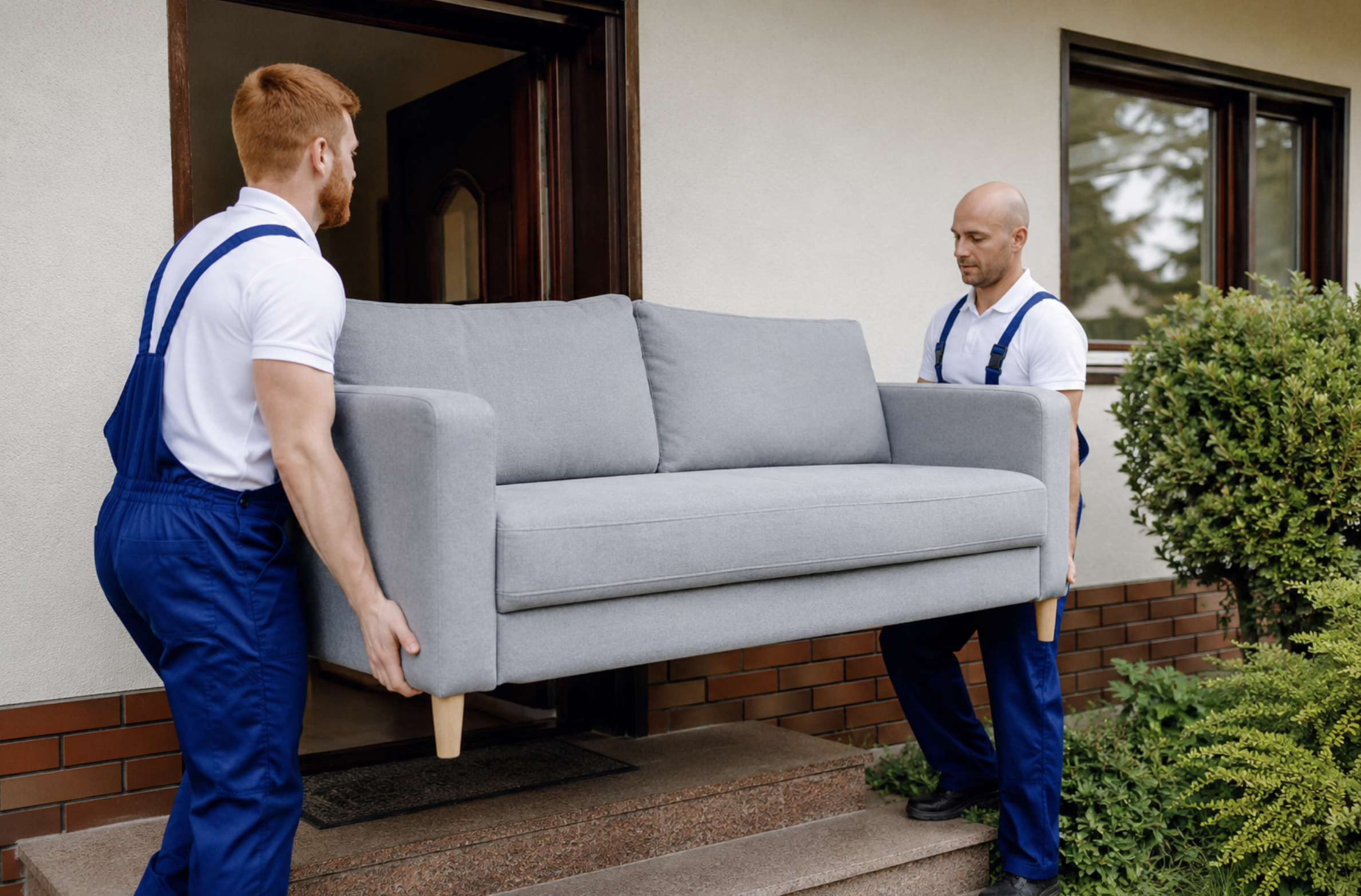
The most comfortable and secure option is to use the services of a professional removal company. These companies have the right equipment and experience, significantly reducing the risk of damage. When choosing a company, ensure they offer protection for valuable items such as electronics or delicate furniture.
An alternative is to rent a delivery van, which offers greater flexibility in planning transport. In this case, it’s important to invest in sturdy boxes and packing materials to ensure your belongings are properly secured.
When organising transport, consider:
- Sorting items: Pack furniture and items gradually, starting with things that won’t be needed every day.
- Help from friends: Sometimes it’s worth asking friends for help with moving heavy items, which can save costs.
- Using stretch film: Protect any furniture that might get scratched by wrapping it in blankets and stretch film.
By managing transport flexibly, you can reduce stress during your move.
How to Handle Formalities After the Move?
After the move, it’s crucial to take care of the formalities to ensure a smooth settling in. The most important steps include:
- Change of address with the bank: Contact your bank to update your address details so you continue to receive statements and important correspondence.
- Update your address with relevant services and institutions: This may include your GP (doctor), DVLA (driving licence and vehicle registration), and HMRC for tax purposes if applicable.
- Check insurance policies: Update your home, contents, and any other relevant insurance policies with your new address.
- Update personal records: Make sure your address is updated across any other important accounts, subscriptions, or services you use.
- Redirect your post: Consider setting up Royal Mail redirection to avoid missing important mail during the transition period.
- Settle into your new home: Once the formalities are completed, take time to organise your space and make your new home comfortable and functional.
These steps will help ensure a smooth transition into your new home and prevent any unnecessary issues.
How to Deal with the Emotions of Moving?
Moving is a time full of emotions, including joy, excitement, as well as stress and anxiety. It’s essential to manage these emotions so they don’t negatively affect your well-being.
Here are a few methods that can help you maintain mental health during your move:
- Awareness of emotions: Acknowledge your emotions as the first step in managing them. Don’t bottle them up, but take note of what you feel.
- Planning: Creating a detailed plan will help minimise the feeling of chaos. As you make progress, you’ll feel more in control.
- Breaks for relaxation: Find time for relaxation, even on the busiest days. Short breaks for meditation, breathing exercises, or a walk can significantly improve your mood.
- Social support: Talk to your loved ones about how you feel. Sharing emotions helps ease stress.
- Physical activity: Regular exercise helps reduce stress. Even light activities like yoga or running can have a positive effect.
- Setting priorities: Don’t try to do everything at once. Focus on the most important tasks of the day, which will help avoid feeling overwhelmed.
- Talk to your removal company: If you are worried about your belongings or have valuable items, professional removal companies can offer guidance and reassurance. Speaking to them can help you feel more confident and may provide practical solutions to make the whole process less stressful.
Managing emotions during your move is crucial for ensuring a positive experience and well-being. It is also important to keep in mind that, by choosing a professional removal company, you can gain reassurance and reduce stress throughout the entire process.
FAQ
Q: How to plan a move without stress?
A: Start with a detailed plan that includes a timeline, task list, and budget to minimise chaos during the move.
Q: What are the key steps in organising a move?
A: Plan the move, select items, organise packing materials, pack systematically, and then arrange transport and unpacking.
Q: What should packing during a move include?
A: Use strong boxes, bubble wrap for fragile items, and label boxes to make unpacking easier.
Q: Is it worth using a removal company?
A: Yes, a professional company saves time and ensures the safety of your belongings, especially for large or delicate items.
Q: What formalities should be done before the move?
A: Change your address with the bank, utility providers, and relevant authorities. A checklist will help you manage these tasks.
Q: How much does a flat move cost?
A: The cost depends on the number of items, floor, and transport distance. It’s best to contact a removal company for an accurate quote.
Q: How long does a standard move take?
A: A move typically takes a few hours, depending on the size of the flat and the number of items being moved.
Q: What techniques can help with organising a move?
A: Apps like Trello or Google Task can help track progress and organise moving tasks, making the process more efficient.
Q: How to prepare for the first day in a new home?
A: Prepare a bag with essentials, check the new place, and schedule time to relax after the move.

0 Comments